
A valve can seal during its initial test and later show a stem-leakage problem as packing consolidates, components wear or the assembly experiences temperature changes. Live loading is one way to manage the available gland load, but it is not a universal repair for every leakage cause.
A live-loaded packing assembly uses spring deflection to provide usable load over a range of movement. Its effectiveness depends on the packing system, spring load and travel, temperature, geometry and stem friction of the actual valve.
Understand what the springs contribute
Coned disc springs can store load over their working deflection. Applied in an engineered gland arrangement, that reserve movement can help maintain useful packing load as the assembly changes. Chesterton's 5150 live-loading description gives a manufacturer example aimed at thermal cycling and packing wear.
The mechanism does not create unlimited travel or perfectly constant load. It also does not repair a damaged stem, unsuitable packing, incorrect gland alignment or excessive clearances. Establish the leakage cause before treating a spring stack as the complete solution.
Review load and travel together
A packing supplier may specify the required loading basis, while the spring supplier provides load-deflection information for the selected assembly. The valve design must connect them at the installed condition and through the required working range.
As an idealised principle, identical disc springs arranged in series can provide more combined deflection at a given load; parallel arrangements can provide more combined load at a given deflection. Real assemblies have friction, tolerances, alignment and operating limits. The actual stack and its validated working range must come from the engineered selection, not from a sketch or a count of washers.
| Review item | Evidence or confirmation needed |
|---|---|
| Packing system | Exact material, ring arrangement and intended service |
| Initial loading | Approved installed condition and assembly method |
| Spring working range | Applicable load-deflection basis and usable movement |
| Temperature | Limits for packing, springs, studs and surrounding arrangement |
| Stem movement | Relevant finish, condition, alignment and required motion |
| Mechanical load | Resulting operating torque/thrust and drive-train limits |
Too much gland load creates another problem
Packing load helps sealing but also affects stem friction. Excess loading can increase operating demand or interfere with movement. The actuator or handwheel calculation should therefore use the approved packing arrangement, rather than assume that a new packing system has no effect on required loads.
The useful assembly instruction states the approved method and target condition. A generic torque value is unreliable when stud size, lubricant, geometry, packing and spring stack differ. A nut-friction assumption borrowed from another assembly can produce a different bolt load.
For automated valves, check the load through the required movement at relevant supply conditions. Retain the maximum permissible stem or drive-train loads as well as the minimum operating requirement.
Temperature limits belong to the actual materials
Graphite packing, inhibitors, spring alloys and fasteners have their own service considerations. Fluid compatibility, oxidation exposure and temperature cycling matter. Do not apply one universal temperature ceiling to every graphite formulation or claim that a named spring alloy has zero relaxation at all relevant conditions.
Ask for the limits and qualification applicable to the offered assembly. A component's high-temperature material capability does not automatically establish the complete gland system's leakage performance.
Keep emission qualification attached to its construction
Adding live loading after a type test may change the configuration that the report describes. Ask whether the proposed packing, stem, gland and spring arrangement remains within the applicable qualification scope. Where a new review or test is required, identify it before the change is approved.
A spring stack is not by itself an API 624, API 641 or ISO 15848 certificate. Those requirements concern defined test objects and conditions. Also keep external stem leakage distinct from through-seat leakage: improving one path does not establish the other.
A hypothetical thermal-cycle investigation
Assume a rising-stem isolation valve develops external leakage after repeated startup and cooldown. Before choosing a remedy, review the installed packing identity, service envelope, gland condition, stem surface and movement, assembly history and relevant leakage observations.
If a live-loaded assembly is proposed, request its usable load/travel range, temperature basis and resulting stem load. Compare the proposed configuration with the applicable emission evidence and actuator capability. This closes more of the problem than specifying “Belleville washers, high temperature” without a design basis.
The investigation and any maintenance follow the manufacturer's instructions and the site's approved isolation and depressurisation process. This article is not an instruction to adjust packing on a pressurised hazardous valve.
Request the complete system from ZGV
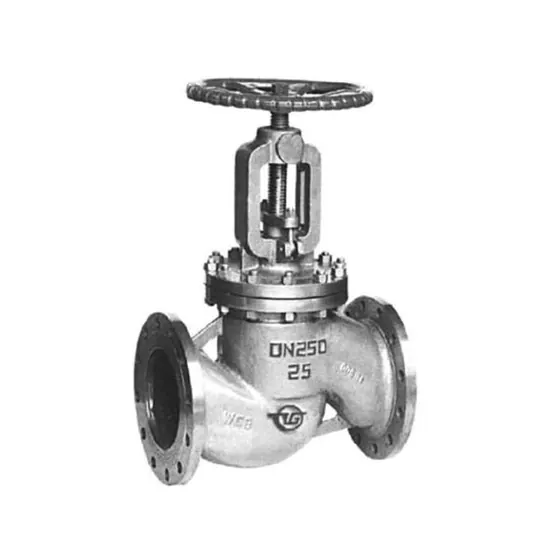
ZGV publishes globe-valve reference 2541 and bellows-globe reference 2550. They identify real product families; the listing alone does not establish that a particular live-loading option or emission class is available.
Send the temperature-cycle and sealing requirements with the required product and actuation duty. Ask ZGV to identify an available packing system, the relevant assembly information and any qualification limits in the actual technical offer.
ZGV VALVE · Request a quotation · WhatsApp +86 13732021078
Download the ZGV valve RFQ template and attach your service conditions and required inspection documents.