
A high pressure class does not automatically select the bonnet joint. The decision also depends on temperature cycles, initial sealing, the qualified construction and how the valve will be inspected and maintained.
A bolted-bonnet joint uses a bolted flange and gasket arrangement. A pressure-seal bonnet uses a joint in which internal pressure contributes to sealing load. Compare the complete design across operating and maintenance conditions, rather than selecting from a universal class threshold.
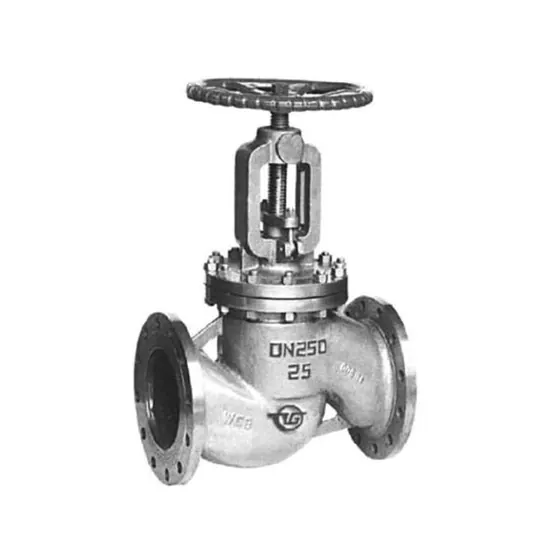
What changes in the joint
In a conventional bolted-bonnet arrangement, the bolting establishes the gasket loading needed by the joint design. Pressure, temperature and external loads affect the assembled connection. Gasket selection, alignment and the approved assembly method remain relevant.
A pressure-seal arrangement uses pressure acting through its geometry to help load the seal. Its retaining parts, gasket and initial assembly provisions are part of the design. Velan's globe and stop-check brochure illustrates a manufacturer's pressure-assisted sealing construction; those features should not be assumed for every other supplier's valve.
Pressure assistance does not remove the need for correct installation or establish sealing at every low-pressure condition. Startup and cooldown can be just as relevant to the selection as the normal operating point.
Compare the full pressure-temperature schedule
Record normal operation, startup, shutdown and defined upset cases, including how often they occur. A plant that cycles frequently asks a different question from a plant that remains at a steady condition for long periods.
| Service input | Why it belongs in the review |
|---|---|
| Maximum pressure with associated temperature | Establishes a required design case, not just two unrelated maxima |
| Low-pressure startup or shutdown | Requires the joint to perform before normal pressure assistance is established |
| Thermal cycle frequency and severity | Affects the joint, packing and maintenance assessment |
| Fluid and external environment | Affects gasket, bolting and material compatibility |
| Installation loads and support | Affects the complete pressure boundary and connection |
Avoid rules such as “always pressure seal above Class 900.” Manufacturers offer constructions over defined ranges, and owner specifications may make a particular selection. A general class boundary cannot replace those requirements. KSB's pressure-seal gate-valve description is one example of a design specified through its own ratings and construction.
Keep bonnet, body material and seat design separate
Changing the bonnet joint does not automatically resolve body-material limits, wedge behaviour, seat leakage or actuator sizing. A pressure-seal gate valve and a pressure-seal globe valve still have different flow and closure mechanisms.
Similarly, “forged” describes material manufacture, not the whole bonnet sealing system. Confirm the material specification and condition, pressure-temperature rating, joint construction and relevant qualification as separate entries. Where the project requires high-temperature material or weld controls, identify the actual governing requirements rather than assuming them from the bonnet name.
Maintenance access can decide between otherwise acceptable designs
Ask for the disassembly envelope and the parts or tools needed to remove and reinstall the bonnet and seal. Check lifting access, overhead obstruction, insulation, instrument tubing and the operator assembly. A catalogue overall height does not necessarily describe the clearance needed to extract internal parts.
An in-line maintenance feature can reduce piping disturbance in an appropriate installation. It does not mean the line stays in service or that work can proceed with pressure retained. Isolation, depressurisation, drainage and safe access follow the site's approved procedure and the manufacturer's instructions.
Do not transfer a bonnet-removal sequence between designs. Retaining arrangements and seal handling differ. The relevant manual should be identified with the offered model and supplied documentation.
A practical turnaround comparison
Consider a hypothetical steam-isolation replacement where either joint can meet the required service after engineering review. The first offer fits the installed envelope but needs bonnet extraction space above a permanent platform. The second needs a different service tool but provides a workable extraction arrangement.
The comparison should identify the access constraint before procurement, rather than inventing a generic percentage saving for one joint. Ask each bidder for the approved drawing, maintenance clearance, consumable seal list, tool requirements and expected inspection steps. Obtain actual commercial and maintenance information for the offered size; do not use another manufacturer's weight table as project data.
Build a bonnet-specific technical reply
An effective reply identifies the valve model; body and bonnet materials; joint and gasket design; pressure-temperature limits; startup and cycling considerations; maintenance envelope; and required production records. Each deviation from the plant specification should remain visible.
ZGV's 2524 gate valve and 2541 globe valve are published bolted-bonnet starting references. For a different bonnet requirement, ask the manufacturer to identify an available engineering model and its scope; a comparison article is not proof of that option's availability.
Send ZGV the service schedule and installation envelope. Request a technical offer that explains the proposed bonnet joint and maintenance requirements for the actual purchase.
ZGV VALVE · Request a quotation · WhatsApp +86 13732021078
Download the ZGV valve RFQ template and attach your service conditions and required inspection documents.