
A stage-based steam specification brings start-up, normal running and shutdown into one coordinated valve enquiry. Include the initial condensate condition and drainage arrangement alongside the pressure, temperature and isolation duty.
Steam isolation selection should include warm-up, condensate drainage, shutdown, required shutoff and movement under differential pressure. The valve and the surrounding steam system need to be reviewed together.
ZGV's gate, bellows gate and bellows globe-valve ranges offer distinct starting points for steam isolation enquiries. Comparing closure duty, stem sealing and the installation envelope together helps buyers prepare a more complete specification for start-up, normal running and shutdown.
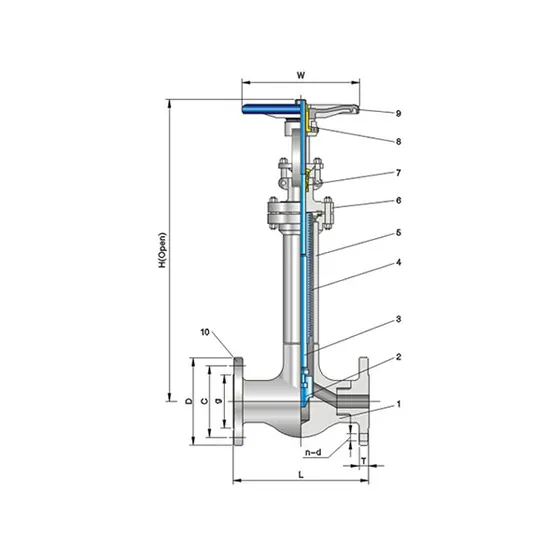
Describe what changes before normal operation
During shutdown, heat loss can create condensate. When steam returns, that retained water and the method of drainage influence the system's response. Wet steam, debris and pressure differences can present demands absent from a single steady-state datasheet row.
TLV's steam-distribution water-hammer explanation distinguishes water accelerated by steam from hammer associated with sudden condensation. That distinction matters: slow valve operation alone is not a universal answer to every mechanism.
For procurement, obtain the site's approved operating description. This article is not a start-up procedure and supplies no universal opening rate. It identifies the information needed to select the valve and supporting arrangement.
Use a stage-based enquiry
| Stage | Information the project should provide |
|---|---|
| Cold or warm start | Initial line condition, temperature and expected condensate management |
| Normal operation | Pressure-temperature pairs, steam condition and required flow |
| Isolation | Required differential pressure, direction and shutoff acceptance |
| Shutdown | Cooling, drainage, possible reverse pressure or vacuum conditions |
| Maintenance | Isolation boundary, safe drainage and access requirements |
If a warm-up bypass or other special arrangement is required, identify its function and design responsibility. Do not assume that leaving the main isolating valve partly open makes it suitable for sustained throttling.
Choose the closure duty separately from the stem seal
A gate valve is normally used for isolation; a suitable globe configuration can support a different regulating task. A bellows seal addresses the stem sealing region. These are related choices but not synonyms.
ZGV's 2524 gate valve, 2532 bellows gate and 2550 bellows globe references show different offered constructions. Ask for the engineering model and trim suited to the actual duty. A bellows bonnet does not automatically qualify the closure for repeated flow regulation.
The gate-versus-globe guide covers that family distinction, while the bellows guide separates external stem leakage from internal seat shutoff. Keep the two requirements in different rows of the enquiry.
Drainage belongs on the installation review
TLV's condensate-removal guidance addresses drainage locations, supports, pipe slope and collection geometry. These system features can affect how well condensate reaches a trap. Replacing a valve does not correct every drainage deficiency.
Spirax Sarco's steam mains and drainage tutorial likewise treats warm-up condensate and distribution layout together. Apply the relevant site design, equipment instructions and engineering review; the reference's example spacings are not universal retrofit instructions.
When requesting a valve, attach the nearby drainage and trap arrangement if it affects the duty. Identify whether condensate can collect ahead of a valve closed for long periods. Where symptoms already exist, record when they occur and what the actual system conditions are, rather than ask a supplier to cure steam hammer from a product name alone.
Match the symptom to the next investigation
| Reported condition | Useful next information |
|---|---|
| Hammer occurs during warm-up | Time-aligned start condition, condensate location and drainage arrangement |
| Drainage worsens at reduced load | Available pressure difference to the return, elevation and equipment operating state |
| Valve will not move at isolation | Actual differential pressure, temperature, operator and relevant load information |
| Leakage is reported | Identify internal seat leakage or external stem/body leakage before choosing the evidence |
These entries direct the enquiry toward a mechanism. They do not diagnose a real plant from one symptom or prescribe a start-up sequence. Keeping the observations together can prevent ordering a new stem seal for what is actually a drainage or actuation issue.
The trap's back pressure is another question
A check valve can block reverse flow but cannot force low-pressure condensate into a higher-pressure return. If equipment drains poorly at reduced load, the available pressure difference and system arrangement need review.
The condition may therefore involve more than the main isolation valve. A supplier can give a more useful response when the enquiry includes inlet and return conditions, elevation and relevant equipment operation. Keep the scope clear if a specialist steam-system assessment is required.
Review the complete material and movement envelope
Steam pressure and temperature should remain paired. Include the relevant seals, packing, gaskets and bellows rather than assign the body-material limit to the entire valve. A cold shop test is not a substitute for the required hot-service rating.
Also specify opening/closing differential pressure, manual effort or actuator duty, and the required number and pattern of movements. For a rising stem or extended bonnet, verify open height, insulation boundaries and maintenance withdrawal space against the actual assembly drawing.
A valve can fit between the flanges while leaving too little room to remove its bonnet. It can also have a suitable material schedule while the proposed operator cannot perform the demanded movement. Those remain separate acceptance items.
Ask for a coordinated technical reply
For a ZGV steam enquiry, send the stage table, fluid condition, piping specification, required shutoff and installation sketch. Request the proposed build, rating basis, load/operation requirements and any limitations that depend on drainage or surrounding equipment.
For an existing installation, time-align the symptom with the operating stage: valve position, upstream/downstream conditions, load and drainage status. A pressure reading collected hours later may describe a different state and lead the review toward the wrong cause.
Submit the steam duty and operating stages so the proposal can address the real installation. A complete enquiry makes clear which requirements the valve package answers and which remain in the steam-system design.
ZGV VALVE · Zhejiang Zhonggong Valve Group Co., Ltd. · Quality and certification records
Download the ZGV valve RFQ template and share your service conditions, quantities and required documents with ZGV.