
A certificate attached to a quotation can be genuine and still fail to establish that the offered valve is within its scope. The missing link may be the seat design, material combination, size range or actual engineering model.
Fire-safe evidence should connect a defined test standard and report to the offered valve configuration. It is a scoped qualification, not a promise of indefinite operation in a fire, and it does not automatically qualify a powered actuator.
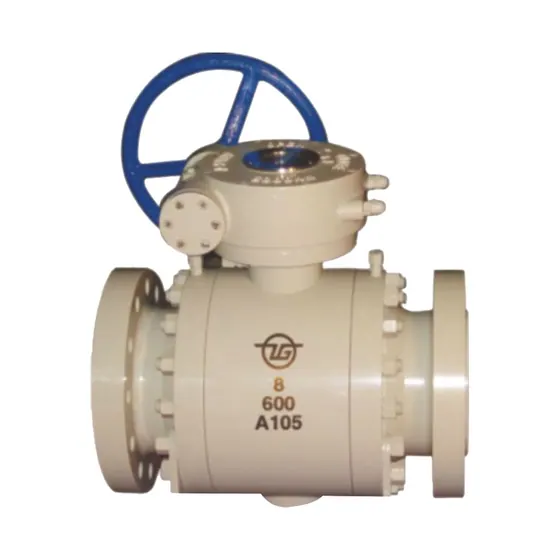
Ask which function was tested
The phrase fire safe is incomplete without an identified test basis. API 607, API 6FA and ISO 10497 are references buyers may encounter, but a shared fire-test purpose does not make every report interchangeable for every project.
API's public refining catalogue describes API 607 as addressing specified valves' pressure-containing capability during and after a fire test. It also identifies a boundary for actuators: powered actuators are outside that test scope. Use the actual standard and edition specified by the project to determine detailed requirements and qualified extensions.
A general API manufacturing licence or a management-system certificate answers a different question. Neither should be relabelled as the fire qualification of an unspecified valve.
Two approvals to keep separate
A document review has two outputs. First, establish that the document is authentic through the agreed issuer or verification route. Second, establish that its qualified scope covers the offered construction. A genuine report for one seat arrangement can leave a changed design outside the demonstrated scope.
For a hypothetical offer with the same valve-family name but a changed stem seal, record the changed seal, request the permitted qualification basis, and keep applicability open until it is supported. A matching logo or manufacturer name closes neither the design-change review nor the order's separate production-record requirements.
Follow the configuration through the documents
Start with the technical offer, not with the certificate logo. Record the engineering model, construction, size, class, seats, stem seals and body-joint seals. Then look for the connection between those details and the test report.
| Field to compare | Question for the document review |
|---|---|
| Manufacturer | Does the legal entity match the offered manufacturer? |
| Model and design | Is the offered valve identifiable within the tested design or permitted qualified range? |
| Size and class | What scope or extension rule supports the offered combination? |
| Seat and seal construction | Are the offered materials and arrangements covered? |
| Standard and edition | Does the test basis match the purchase requirement? |
| Report identification | Can the certificate be connected to the supporting report and its limitations? |
| Changes since testing | Have relevant design or material changes been assessed? |
A mismatch needs clarification. It does not, on its own, prove a certificate is false or the valve will fail. The supplier should provide the applicability explanation and the evidence that supports it.
A model reference is more useful than a valve-family name
ZGV's quality page groups publicly available company and product documents. The 2514 trunnion ball valve and 2567 triple eccentric butterfly valve pages identify catalogue configurations. Neither a shared manufacturer name nor a broad family label establishes that one certificate covers every entry.
For an actual order, request the engineering model and proposed build in the quotation. If a document lists a different identifier from the website reference, ask the supplier to explain the relationship. Keep that explanation with the approved drawing and material schedule.
A metal seat is also not proof of fire qualification. Supporting packing, body seals and the complete construction remain part of the design. Conversely, a nonmetallic seat in normal operation does not settle whether an engineered assembly has the required fire-test evidence.
The automated package needs another review
A valve may have appropriate fire-test evidence while its pneumatic tubing, solenoid, cable or electric actuator remains unsuitable for the required emergency action. The complete package must be assessed against the facility's fire and shutdown requirements.
Consider a hypothetical requirement: isolate a line after a defined fire demand while maintaining a specified action time. The valve certificate is one input. The design team also needs the detection and command logic, available energy, actuator response, accessories, environmental exposure and any required protective measures.
| Package item | Evidence distinct from the valve fire report |
|---|---|
| Actuator | Required movement under the defined demand and energy conditions |
| Solenoid/positioner | Response to command, signal loss and power loss |
| Tubing and cables | Suitability for the specified exposure and installation |
| Protection system | Required duration, design basis and applicable verification |
| Complete assembly | Agreed functional test and limitations |
Do not infer those answers from a valve's manual gearbox test or a catalogue image showing an actuator.
Qualification and shipment records serve different purposes
A fire type-test report concerns the qualified design and scope. Production tests and inspection records identify what was supplied and checked for the order. The purchase documents should identify both, where required.
There is normally no reason to ask for a fire exposure test on every delivered valve merely because the order needs fire-qualified equipment. Equally, attaching one historic report does not remove order-specific identity, material and production-test requirements. The inspection plan should state how conformity to the approved build will be recorded.
The valve inspection guide explains the separate roles of shell, seat and external-leakage evidence. Keep them separate in the document register rather than collect them under a single passed heading.
Avoid a universal fire-test recipe or extension table
Do not copy a burn-temperature, pressure or leakage table between API 607, API 6FA and ISO 10497 without checking the governing edition and applicability. Detailed conditions, units and qualification-extension rules must come from the required standard and report. A unit error can change a leakage limit dramatically while leaving the table visually convincing.
Keep the raw report value, unit, method and applicable acceptance together. Where the offered valve differs in size, class, seat or seal construction, request the permitted extension basis rather than assume that one tested valve automatically covers a fixed number of larger sizes.
For a hypothetical change from one stem-seal arrangement to another, a matching body style is not enough. Record the difference and obtain the applicable qualification disposition. The evidence should explain the relationship to the changed construction, not merely repeat the certificate title.
A passed fire type test does not establish zero leakage in every fire or continued serviceability without the required post-event assessment. It also does not create a procedure for exposing or operating equipment in a real incident.
Use a short applicability request
A useful enquiry can say: identify the proposed valve and its seat/seal build; provide the applicable fire-test standard, edition, report and qualified scope; explain coverage of this size, class and configuration; identify the powered-package requirements addressed separately; list any deviation before order approval.
This wording asks for evidence without inventing a certificate number or a test result. It also gives each bidder the same task.
Authenticity and applicability are separate checks. A public scan can identify a document to request, but it does not independently establish current issuer status or coverage of a changed design. Where verification is required, use the issuer or agreed verification route and retain the dated result separately from the applicability review.
Send the required fire-test basis and assembly duty with the selected product reference. Request the configuration-to-report link so the certificate can be reviewed as evidence of the actual proposed purchase.
ZGV VALVE · Request a quotation · WhatsApp +86 13732021078
Download the ZGV valve RFQ template and attach your service conditions and required inspection documents.