
A packing test, a complete-valve type test and a production acceptance test can all appear in the same supplier file. They are related evidence, but they do not prove the same thing.
Specify the external leakage path, applicable standard and edition, qualification scope and order-specific acceptance requirements. A low-emission claim should identify the offered assembly and its evidence, rather than imply that every certificate is interchangeable.
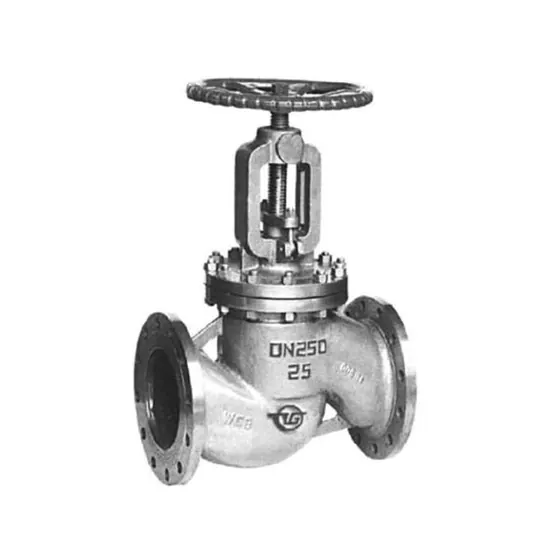
Identify where leakage is being discussed
Fluid passing through a closed seat stays within the downstream piping. Fluid escaping around a stem, shaft or body joint reaches the surroundings. These are different paths and require different evidence.
A seat-leakage classification does not establish external fugitive-emission performance. A bellows stem seal addresses a particular path, while seat shutoff and body joints remain separate subjects. ZGV's bellows sealing guide explains that mechanical distinction.
Mark the paths on the offered sectional drawing. This is a useful first step when a quotation uses the words zero leakage without naming a test, boundary or condition.
Read the standards as different evidence categories
The following is a scope-orientation table, not a replacement for the standards or a declaration that one test automatically satisfies another.
| Reference | Procurement question it helps identify |
|---|---|
| API 622 | What fugitive-emission type-test evidence applies to the process valve packing? |
| API 624 | What type-test evidence applies to the rising-stem valve with the relevant graphite packing arrangement? |
| API 641 | What type-test evidence applies to the quarter-turn valve? |
| ISO 15848-1 | What complete-valve external-leakage type qualification and classification is required? |
| ISO 15848-2 | What external-leakage production acceptance testing is specified for the order? |
API's standards register identifies the distinct packing, rising-stem and quarter-turn subjects. The ISO publisher separately describes Part 1 type qualification and Part 2 production acceptance. Detailed conditions and permitted qualification extensions must come from the agreed editions and procedures.
A short route through the standards list
For packing offered as a component, investigate the specified packing evidence. For a complete rising-stem or quarter-turn valve, investigate the corresponding complete-valve qualification required by the project. If ISO 15848 is specified, identify Part 1 classification/type qualification and any separately required Part 2 production acceptance.
This gives the reviewer a sequence: leak path → test object → required standard/edition → offered configuration → report scope → order records. If the leak path is through the seat, return to the closure-test requirement instead of trying to resolve it with a stem-emissions certificate.
Do not approve the whole valve from the packing report alone
Packing operates within a stem, gland and housing arrangement. A material's type-test evidence is useful, but the complete valve introduces geometry, surfaces, loading and movement conditions. The proposed build needs the qualification required by the project.
Similarly, changing packing after qualification can create an applicability question. Ask which packing material, arrangement and relevant adjustment conditions belong to the report, and whether the offered valve retains that qualified build.
A report also needs a defined test medium, temperature range, mechanical/thermal programme, measurement method and acceptance class as applicable. The words certified low emission, detached from those conditions, leave procurement without a comparison basis.
Match the offered construction to its evidence
ZGV's bellows gate entry 2532 and bellows globe entry 2550 list bellows and packing materials. ZGV also publishes trunnion ball valves. These are real construction references, not evidence that every model has API 624, API 641 or an ISO 15848 qualification.
For a project enquiry, ask ZGV to identify the actual engineering model, proposed stem-seal system and applicable report. If the project requires a class, temperature range or cycle programme, state it explicitly. Do not infer it from the word bellows, a graphite material entry or a manufacturer's unrelated certificate.
An evidence review example
Consider a fictional supplier reply: “API 622 packing, ISO certificate attached, low leakage.” It can be reviewed without guessing at a leakage rate.
| Open point | Clarification to request |
|---|---|
| Packing report | Exact packing product and test scope |
| Complete valve | Applicable valve type-test report for the offered configuration |
| ISO document | Which ISO standard, part, edition and classification it actually addresses |
| Service coverage | Relevant temperature, movement and seal arrangement |
| Delivered valves | Agreed production acceptance and identification records |
The missing information is not proof that the hardware fails. It is a reason to keep the compliance item open until the supplier connects the evidence to the required build.
Monitoring is another layer
A valve diagnostic system can indicate changes in movement, friction or operating pressure. Those observations can support maintenance decisions, but they are not automatically a measurement of gas escaping to atmosphere. A fugitive-emission monitoring programme needs its own method and acceptance basis.
Likewise, a qualification result does not guarantee an unlimited leak-free service life. Installation, temperature cycles, corrosion, operating duty and maintenance affect the assembly after delivery. Keep the agreed inspection and maintenance information with the approved build.
Compare leakage results on the same reporting basis
Keep a result attached to its test object, medium, method, units, temperature, mechanical/thermal programme and adjustment conditions. A concentration reading and a mass-based leakage rate are not interchangeable numbers. Different gases and detection methods can also change what is being measured.
For a fictional bid review, Offer A provides an identified packing type-test report and Offer B provides a complete quarter-turn valve report. A smaller printed leakage number on A does not rank the two assemblies. First establish which report is required for the purchased valve and whether its configuration and test conditions apply.
| Comparison field | Reason to retain it |
|---|---|
| Packing or complete valve | Identifies the object that was qualified |
| Test medium and method | Defines the measurement basis |
| Units and acceptance | Prevents ranking unrelated quantities |
| Temperature/cycle scope | Defines the demonstrated conditions |
| Packing and gland configuration | Connects the report to the offered build |
| Allowed adjustment | Keeps the result within its tested procedure |
If live loading, packing or stem geometry changes, request the applicable qualification review. A promising component change is not automatically covered by an earlier complete-valve report.
Give every bidder the same requirement
The enquiry should name the external leakage scope, project standard/edition, required classification or test programme, actual service and expected movement. Request a configuration-to-report applicability statement and any required production acceptance records. List deviations for review before order placement.
Where the requirement is still being designed, ask the responsible engineer to establish it. Selecting the strictest-sounding certificate name without regard to valve type and service can add cost while leaving the real question unanswered.
Retain the test medium, measurement units and method with every leakage result. A numerical value from a helium-based method should not be compared casually with a different medium or reporting basis. The applicable qualification standard determines how a result is classified and what extensions are permitted.
Send the external-leakage requirement with the intended product and service schedule. A useful response identifies the actual sealing build, the evidence it can supply and any qualification limit that needs engineering disposition.
ZGV VALVE · Request a quotation · WhatsApp +86 13732021078
Download the ZGV valve RFQ template and attach your service conditions and required inspection documents.