
A consistent receiving and preservation record helps procurement, warehouse and installation teams follow the same approved valve build. Connect the physical assembly, its documents and its condition from delivery through storage to installation handover.
Receiving inspection should connect the physical valve to the approved build, record condition and discrepancies, and preserve the assembly under the manufacturer's instructions until installation. A delivery signature is not the same as technical acceptance.
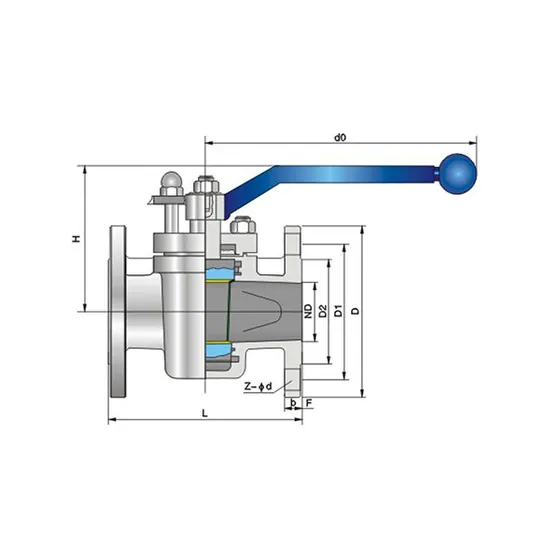
ZGV's bellows globe, butterfly and sleeved plug-valve references make clear why receiving and storage information should follow the actual supplied design. Include the required identity, preservation and handover records in the enquiry so procurement and site teams work from the same accepted build.
Identify what has actually arrived
Use the purchase order, approved drawing, packing list and required records to identify each item or agreed batch. Check the valve/tag reference, actual engineering model, size, class, connections, operator and accessories against the accepted revisions.
A website product reference can help locate catalogue information, but it does not replace the delivered assembly's identification. ZGV's 2550 bellows globe, 2567 butterfly and 2572 sleeved plug entries represent different constructions with different handling and maintenance considerations.
| Receiving check | Record to retain |
|---|---|
| Identity and quantity | Order/packing item and assembly association |
| Visible condition | Transport damage, corrosion, contamination or missing protection |
| Connections | Facing/end protection and apparent damage needing disposition |
| Operator/accessories | Actual supplied items, labels and approved configuration |
| Documents | Required records received, revisions and missing items |
| Discrepancy | Affected identity, evidence, owner and disposition |
Use photographs with labels where they help document condition. A photograph should support the record, not become the only way to identify a valve after packaging is discarded.
Distinguish a missing record from a failed component
An absent certificate is a documentation gap. A damaged connection is a physical-condition issue. A different seat or actuator is a configuration discrepancy. Record the specific finding rather than label all three failed without explanation.
Where a discrepancy affects acceptance, keep the affected item controlled and obtain the project's approved disposition. Do not substitute parts, repaint markings or change settings simply to make the item look like the order. Those actions can break traceability and conceal the actual issue.
The final receiving status should identify what was accepted, what remains on hold and who owns the next action. This makes the record useful when installation is scheduled weeks later.
Follow one item through a receiving hold
Consider a fictional delivered valve whose identity matches the packing list but whose end protection is damaged. Record the valve identity and labelled condition photographs, check the affected connection and contamination concern under the agreed inspection process, then obtain an authorised disposition.
If cleaning, repair or replacement is approved, retain the completion evidence and restore the specified protection. Resolve any separate document gaps as their own items. Only then update the relevant technical acceptance and storage status; installation release also depends on the remaining project requirements.
This example separates receipt, discrepancy, resolution and release. It gives the warehouse and installation teams the same current status without implying that a delivery signature accepted the damaged condition.
Storage requirements depend on the supplied design
Ask for the manufacturer's preservation instructions for the exact valve, seals and operator. Define the storage location, expected duration, environmental exposure and any inspection or preservation schedule required by those instructions.
There is no universal storage position suitable for every valve family. A recommendation for one ball, gate or butterfly design should not be copied to another. Similarly, do not specify an unapproved lubricant, preservative or cleaning solvent without considering the actual materials and service cleanliness.
| Preservation subject | Information to obtain |
|---|---|
| End protection | How faces, bores and internals remain protected |
| Environment | Required moisture, temperature and contamination controls |
| Seals and surfaces | Approved preservation materials and restrictions |
| Operator | Any power, heater, battery or accessory requirements of the selected equipment |
| Periodic checks | Required actions and intervals from the supplied instructions |
| Long storage | Reinspection/reconditioning requirements before release to installation |
Record the next required check with an owner. A preservation instruction that nobody receives is unlikely to protect the assembly through a delayed project.
Keep automated settings controlled
Actuator stops, torque/thrust limits, feedback and failure-action settings belong to the approved package. Record the accepted configuration and who may change it. A replacement solenoid or a casual travel-stop adjustment can change the intended behaviour.
Rotork's asset-management article shows how identifiable operational data can support maintenance. Its hardware and software functions are not assumed on every ZGV package. For the supplied equipment, identify the actual settings and records available.
Where a no-load movement check is permitted and required, follow the manufacturer and site's approved method. It documents the function observed under those conditions; it does not prove operation against every process load or a complete seat-leakage requirement.
Check the handover from storage to installation
Before installation release, review identity, preservation history, unresolved discrepancies and the actual connection/clearance drawing. Ensure temporary transport items and required protection are handled under the supplied instructions. Confirm that the installation team has the approved operator, wiring/pneumatic and maintenance information.
A clean pipeline and suitable installation method can matter to the valve's internals, but commissioning steps must be defined for the facility. Do not use the valve to force misaligned pipework together or improvise a test on a pressurised system from a general article.
If a project has temporary start-up strainers or special cleaning requirements, put their status in the handover checklist. Otherwise a temporary arrangement can be forgotten while the receiving file says complete.
Close the loop with a short release record
A useful installation release identifies the assembly, approved revisions, physical-condition disposition, required records, preservation completion and outstanding restrictions. It also names the person or role accepting the handover.
That record connects the procurement decision to the item the operator will actually use. It reduces repeat investigation when a question appears during commissioning: the team can see the accepted build and its storage history rather than infer them from an old catalogue.
Use distinct statuses for received, technically accepted, preserved in storage and released for installation. These events may occur on different dates and under different responsibilities. Keeping them separate prevents a signed delivery receipt from being mistaken for completed installation acceptance.
Include receiving, preservation and handover requirements in the enquiry so the delivered document package can support the site's real acceptance process.
ZGV VALVE · Zhejiang Zhonggong Valve Group Co., Ltd. · Quality and certification records
Download the ZGV valve RFQ template and share your service conditions, quantities and required documents with ZGV.