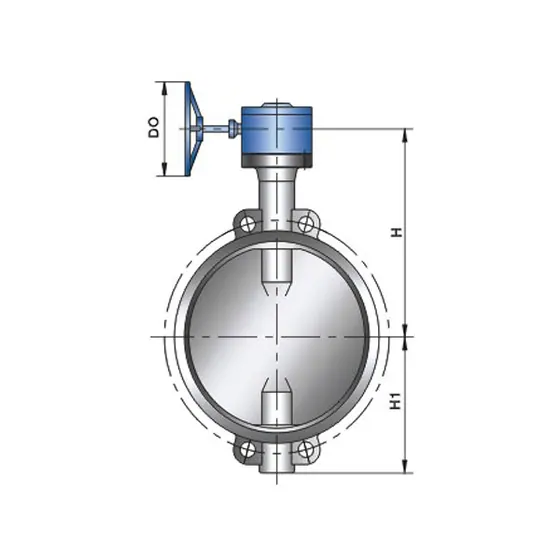
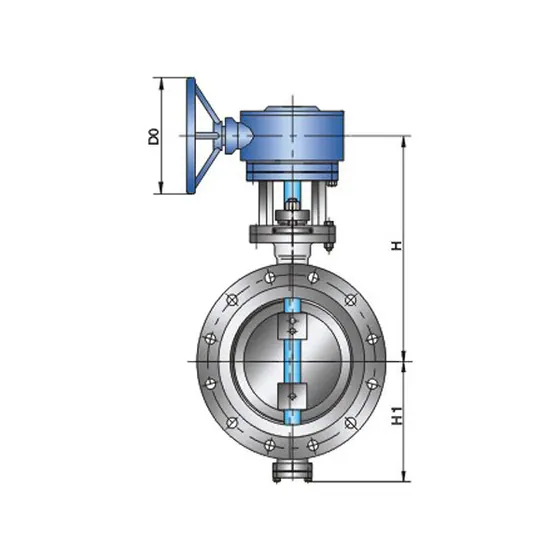
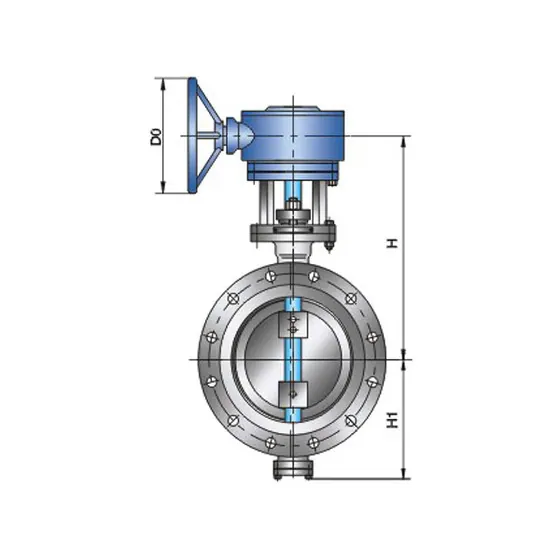
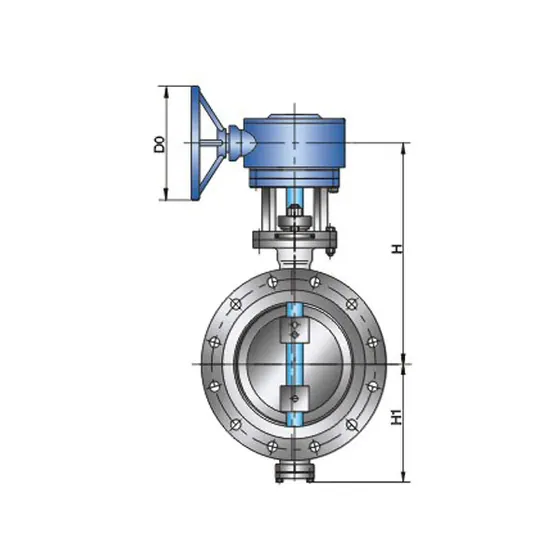
Match the sealing design to the complete duty. This butterfly valve selection guide connects geometry, connection, pressure direction and actuation to four published ZGV references.
Start with the drawing and seat materials. A concentric, double-offset or triple-offset label alone does not establish compatibility or project approval. Browse the butterfly valve catalogue.
Four checks before choosing a model
1. Sealing geometry
Compare concentric, double-offset and triple-offset constructions using the actual drawing and seat materials. An offset label alone does not establish tightness, thermal capability or suitability.
2. Pipe interface
Specify wafer, lug or flanged ends as applicable to the offered design. Check face-to-face length, mating flanges, bolts and disc clearance; obtain approval for any end-of-line condition.
3. Pressure direction
State normal and reverse pressure cases, isolation conditions and required leakage acceptance. Confirm the permitted direction for the exact seat arrangement.
4. Duty and actuation
Distinguish isolation from continuous control. Provide the flow range, differential pressure, cycling and supply; request the selected valve’s flow characteristic and actuator sizing basis when relevant.
Compare four published ZGV references
These original catalogue drawings identify the model being discussed. Compare its own connection, dimension and material information before requesting the offered configuration.
How do I choose concentric, double-offset or triple-offset construction?
Compare the actual disc and seat construction, permitted pressure-temperature conditions and required sealing duty. Offset geometry changes how the sealing surfaces move and make contact, but does not on its own establish fluid compatibility, leakage performance or a universally superior design. Start with the matching product drawing and seat material.
What should I confirm for wafer, lug or flanged installation?
Identify the exact offered connection and review mating flange compatibility, face-to-face length, disc swing clearance, bolts and installation space. If one downstream flange will be removed, request written approval for that exact end-of-line condition and pressure. A lug connection label alone is not approval for every dead-end duty.
Are butterfly valves suitable for both pressure directions?
Ask for the permitted pressure and flow directions and the acceptance requirement for the selected construction. Include reverse pressure, isolation and maintenance conditions in the RFQ where relevant. Do not transfer the direction or tightness claim of one seat design to the entire butterfly valve family.
How do I check an API 609 butterfly valve requirement?
Review the company licence documents and dated API directory evidence on the quality page, then ask ZGV to identify the offered design, applicable standard edition, marking and inspection scope for the project. Company-level API 609 evidence does not establish that every catalogue configuration or shipment has the same approval.
Can a butterfly valve be used for continuous flow control?
State the flow range, fluid, operating pressure-temperature cases, available differential pressure and required control performance. Request the selected valve’s flow characteristic and the actuator’s duty and sizing basis. A quarter-turn mechanism or a modulating actuator alone does not establish a suitable complete control package.
What information is needed for a butterfly valve quotation?
Send the product reference, quantity, nominal size, fluid and composition, operating and design pressure-temperature cases, seat and body materials, connection, pressure direction, isolation or control duty and actuation requirements. Include the project standards, drawings and inspection-document requirements for confirmation.