Choose the configuration before comparing quotations. This ball valve selection guide separates ball support, bore, seat and operating duty, then connects each decision to a published ZGV reference.
Use the cards as a shortlist. The selected drawing, material column and full service conditions determine what ZGV can confirm for your project. Browse the ball valve catalogue.
Four decisions to make separately
1. Ball support
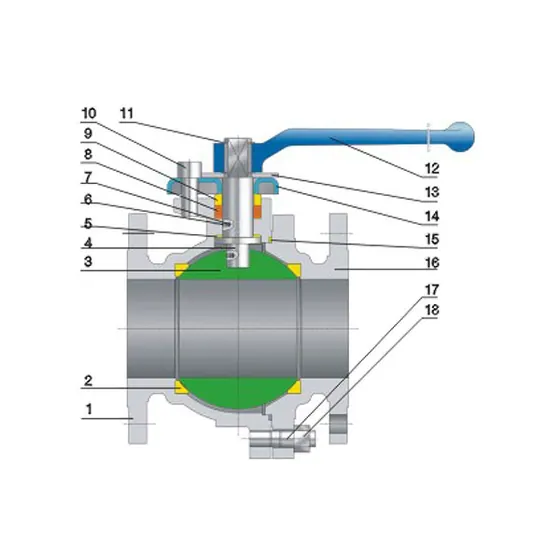
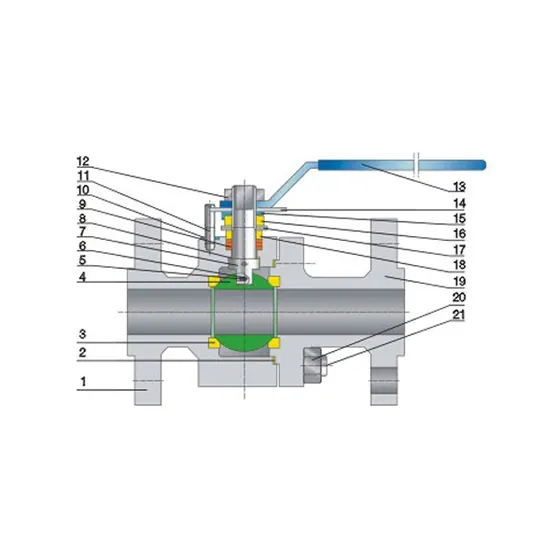
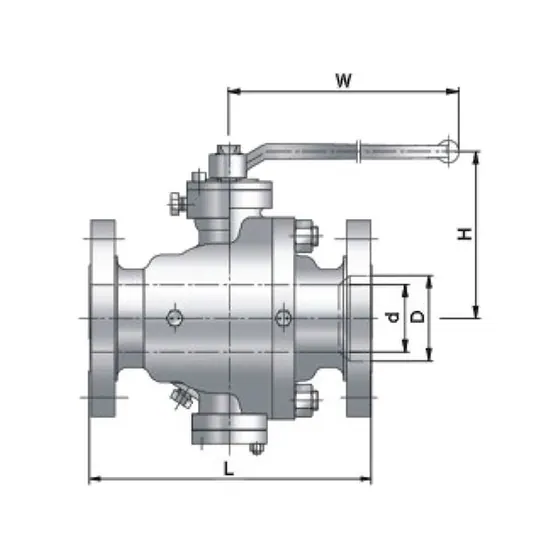
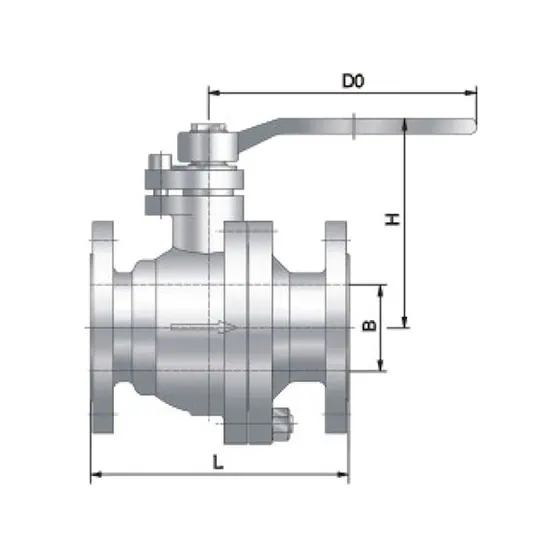
Compare floating and trunnion support first. Products 2511 and 2512 are floating references; 2514 is trunnion-mounted. Neither pressure class nor nominal size alone selects the support design.
2. Passage and dimensions
Specify full or reduced bore, then read that model’s matching class and size table. If pressure loss matters, request configuration-specific flow data rather than estimating it from bore area.
3. Seat and materials
Check the seat and complete material column for your fluid and thermal cases. For metal-seated duty, start with 2519 and define the leakage acceptance requirement.
4. Pressure and operation
Give upstream and downstream pressure, temperature, cycling and operation. Request the offered valve’s rating, torque and actuation basis; a Class designation is not a pressure value at every temperature.
Compare four published ZGV references
These are original catalogue drawings of the identified models. They illustrate the catalogue construction; the offered configuration still needs confirmation.
How should I compare floating and trunnion-mounted ball valves?
Treat the ball-support design separately from bore, pressure class, body construction and seat arrangement. Compare the relevant catalogue configurations and send the required differential pressure, fluid, temperature, operating frequency and actuation requirements. Ask ZGV to confirm the offered design rather than selecting from a universal size or class cut-off.
Should I request full bore or reduced bore?
Specify the required minimum passage and any cleaning or pigging requirement, then review the corresponding dimension table. Nominal pipe size does not establish the actual bore. If pressure loss matters, request configuration-specific Cv, Kv or pressure-drop data; a bore-area ratio is not a flow-capacity or pressure-loss ratio.
How do I check an API 6D ball valve requirement?
Use the quality page to review the published company licence documents and the dated API directory observation. For an API 6D order, ask ZGV to identify the exact offered configuration, applicable standard edition, marking and required inspection records. A company licence or catalogue reference does not by itself confirm that every listed model or shipment is API-monogrammed.
Which inspection documents will accompany my order?
List the required material certificates, traceability, pressure-test records and any witness or third-party inspection in the RFQ. Ask for the agreed document scope and any exclusions in the quotation and order. Do not assume that a particular certificate type or witness requirement is included with every catalogue product.
What information is needed for a ball valve quotation?
Send the product reference, quantity, fluid and composition, NPS or DN, operating and design pressure-temperature cases, bore, body and trim or seat materials, connection, actuation and required standards. Attach the project specification and identify unresolved items so the offer can state its configuration and deviations.